Why Scattered Review Materials Derail Skill Building
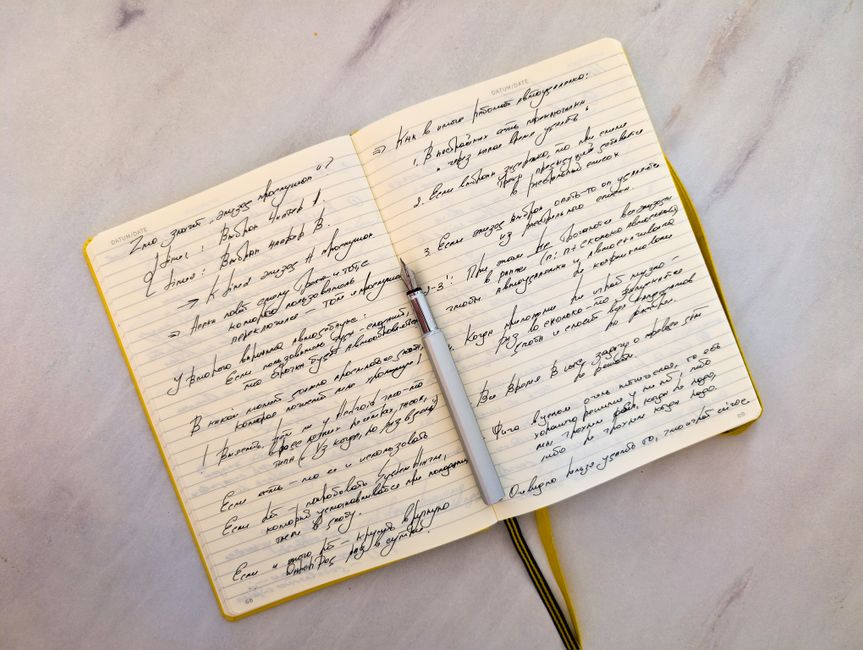
With a few sessions missed, the urgency to review material before diving into skill practice looms large. Yet, as they flip through tabs and pages, the disorganization becomes apparent: essential concepts are scattered, making it difficult to focus. The intended review quickly devolves into random scrolling, with the student losing precious time trying to locate the right information.
This chaotic setup not only hampers the review habit but also disrupts the practice block that follows. Each time the student reaches for a note, there's a moment of hesitation—should they check the digital files or the physical notebook first? The lack of a clear system means that instead of a smooth transition into practice, they find themselves stuck in a loop of searching and sorting. A simple action, like clearing the desk and laying out one page of key points, could transform this experience, but that step often gets overlooked in the rush to catch up.
The Desk Clutter That Slows You Down
Sitting at a cluttered desk, the student glances at the jumble of notes sprawled across multiple tabs and scattered papers. A half-opened notebook lies to one side, its pages filled with hastily scribbled reminders and diagrams. Each glance at the screen reveals a different file, but nothing seems to contain the key points needed for review. The chaos makes it hard to focus, and the student feels the weight of disorganization pressing down.
As they attempt to locate essential materials, frustration mounts. The intended review session quickly morphs into random scrolling, with the student losing precious time trying to find the right information. They reach for a pen, but instead of jotting down insights, they hesitate, caught between the digital files and the physical notebook. A simple yet effective approach would be to clear the desk first, laying out one page of key points to guide the review. This small adjustment could streamline the process, allowing for a smoother transition into the practice block that follows. However, in the rush to catch up, that crucial step often gets overlooked, leaving the student trapped in a loop of searching and sorting instead of learning. When Review Turns into Random Scrolling At the desk, a student sits with a disorganized array of notes and digital tabs open on their laptop. The intended review session quickly devolves into aimless scrolling through various documents and websites, searching for crucial information. Instead of a focused review habit, they find themselves lost in a sea of scattered materials, with no clear path to follow.
As time slips away, the student realizes they haven’t even jotted down a single note. The absence of a clear structure leads to wasted minutes, and the anxiety of falling behind grows. They reach for their notebook, but instead of using it to consolidate their thoughts, they hesitate, overwhelmed by the chaos. A critical step often overlooked is clearing the desk first—removing distractions and laying out one page of key points to guide the review. This simple action could refocus their efforts and create a more productive practice block.
Yet, in the rush to catch up, this essential move gets skipped. The student’s review turns into random scrolling, and instead of building skills, they feel trapped in a cycle of disorganization.
Why Scattering Materials Causes Friction
This same friction shows up again in Practical Life Skills Us, especially when the day tightens unexpectedly.
As the student sits at their cluttered desk, the scattered notes and open tabs on their laptop create an overwhelming atmosphere. Each piece of material, whether it’s a handwritten note or a digital document, pulls their attention in different directions. This disorganization increases cognitive load, making it harder to concentrate on the skill practice they intended to start.
Disorganization disrupts the natural flow of learning. When materials are not centralized, the student faces constant distractions, leading to wasted time. They might think they can quickly locate the key points they need, but in reality, they spend precious minutes flipping through pages or tabs, losing sight of their goal. The intended review habit turns into a frustrating scavenger hunt, where good intentions are overshadowed by the chaos around them.
A small yet crucial step often overlooked is clearing the desk before beginning the review. By removing unnecessary clutter and laying out just one page of essential notes, the student can create a more conducive environment for focused learning. This simple action not only reduces distractions but also serves as a visual anchor, guiding them back to the material they need to reinforce their skills. However, in the rush to catch up, this step is frequently skipped, leaving them feeling lost and unprepared.
Ultimately, the tradeoff becomes clear: without a centralized system for their materials, the student’s efforts to build skills become hindered by disorganization. They may have the motivation to learn, but without a structured approach, that motivation can quickly fade into frustration. The chaos of scattered materials transforms what should be a productive practice block into an exercise in futility.
One Simple Adjustment to Centralize Materials
A slightly different version of this problem appears in Learning New Skills As, where the sequence changes but the hidden drag feels familiar.
This disorganization often leads to wasted time scrolling through various documents instead of focusing on the material at hand. To streamline the review process, a small adjustment can make a significant difference.
- Before starting your study block, clear the desk of any unrelated items, leaving only your notebook, a pen, and a timer within reach.
- Prepare just one page of notes that highlights the key concepts you need to review, placing it prominently in front of you to avoid random scrolling.
- Set a timer for 25 minutes to create a focused practice block, ensuring you commit to engaging with that single page without distractions.
By making this adjustment, you not only reduce the friction caused by disorganized materials but also create a clear path for reinforcing your skills. The act of preparing your environment signals to your brain that it’s time to focus, making it easier to transition into a productive mindset.
The Impact of a Focused Review Session
This disorganization often leads to a frustrating experience where you find yourself aimlessly scrolling through documents, searching for the right information. Instead, a focused review session can create a smoother transition into your practice blocks, allowing you to engage with the material more effectively.
Start by clearing your desk, removing any distractions, and laying out only your notebook, a pen, and a timer. Open to a specific page that summarizes the key concepts you need to review, ensuring it’s easily accessible. This small act of organization not only reduces the clutter but also sets the stage for a more productive session.
Once your materials are organized, set a timer for 25 minutes to create a focused practice block. Knowing that you have a set time to engage with that one page allows you to concentrate fully on the content without the temptation to drift into unrelated topics. As you work through the material, you’ll likely notice a boost in your confidence and preparedness for skill-building activities. This streamlined approach minimizes the friction that often derails your focus, making it easier to dive into practice with a clearer mind.
This disorganization often leads to wasted time as you find yourself scrolling through random documents instead of focusing on key concepts. To avoid this, take a moment to gather your materials before diving into your review session. Make sure your notebook is open to a page that highlights the most important skills you need to practice, ensuring it’s front and center on your desk.
This simple check not only prepares you for a focused practice block but also helps in retaining information more effectively. This small adjustment can significantly enhance your ability to build the skills necessary for future work.