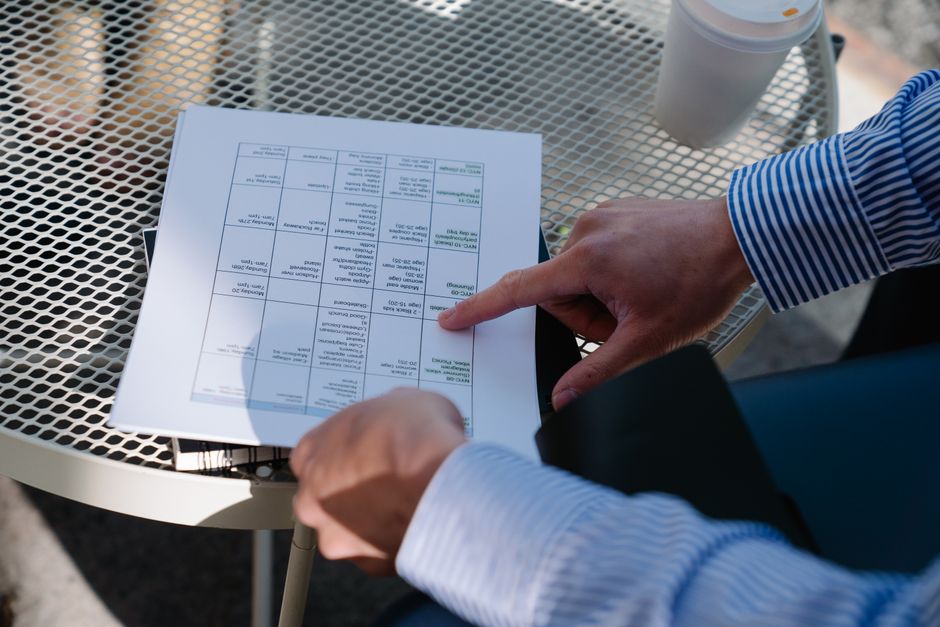
Navigating the Practice Block: A Real-World Skill Building Challenge

With a timer set for thirty minutes, the adult learner settles into the familiar rhythm of jotting down thoughts. However, the first ten minutes slip away as they fumble through pages, searching for the right section to dive into. The intention to practice a new skill is there, but the practice block begins to feel daunting as time ticks away, and focus wavers in the dim light.
As the learner flips through pages, the missed check becomes clear: they forgot to mark the last page used or highlight the section intended for review. The setup is all there—notes, pen, and a clear goal—but without a simple restart marker or a clear entry point, the session drifts into uncertainty, leaving the learner feeling unproductive and overwhelmed.
The First Ten Minutes: A Common Drift
After a long day, the intention to focus is strong, but the reality of settling back into notes often proves challenging. The first task is to locate the right page, but as they flip through the crisp sheets, time begins to slip away. The familiar section on skill practice feels just out of reach, buried under a haphazard collection of earlier notes.
With a timer set for twenty minutes, the pressure mounts. The learner’s mind races, recalling the specific skill they aimed to practice, yet the notebook remains a jumble of unmarked pages. They realize too late that they should have marked the last page used with a simple sticky note or a bold line. Instead of diving into the material, they spend valuable minutes searching, flipping back and forth, feeling the practice block tighten around them.
To regain focus, they pause and take a breath. The pen is ready, but the page is not. A quick check reveals that the last page used is still unmarked, and the intended section for review is lost in the shuffle. This moment highlights a crucial adjustment: keeping a dedicated marker at the start of each session, perhaps a brightly colored tab, could serve as a restart marker. With the timer ticking down, they finally find the right page, but the first ten minutes have been consumed by a lack of preparation. The practice session begins, but the drift into distraction has already set a tone of frustration.
A Small Mistake: Losing Focus
The desk lamp casts a warm glow over the scattered notes, but instead of diving into the material, the adult learner finds themselves lost in a maze of pages. After a long day, they sit down with a clear intention to practice, yet the first ten minutes slip away as they flip through unrelated notes. Without a clear re-entry point, they mistakenly browse sections that don’t align with their current goals, leading to frustration and wasted time.
This small adjustment could serve as a visual cue, a restart marker that guides them back to where they left off. With the pen poised and the timer set, they finally locate the right page, but the initial drift into unrelated material has already set a tone of disorganization. The practice session begins, but the lingering frustration from the lost ten minutes clouds their focus, highlighting how easy it is to lose track when the path isn’t clearly marked.
What Changed Next: The Ripple Effect
This same friction shows up again in Practical Life Skills Us, especially when the day tightens unexpectedly.
As the desk lamp flickers slightly, illuminating the scattered notes, the adult learner feels a wave of overwhelm. The initial excitement to practice has turned into a daunting task, as the multitude of pages creates a sense of chaos. Instead of honing in on specific skill-building notes, they find themselves skimming through unrelated sections, which only amplifies the feeling of being lost. The first consequence of this drift is a growing frustration that seeps into their mindset, making it harder to concentrate on the material that truly matters.
The timer, initially set for a focused thirty minutes, now ticks down while they remain stuck in the wrong section. To break this cycle, they decide to take a moment to reset. With a quick glance at their notes, they open the notebook to the last page where they had made a clear outline of their goals. This simple act of returning to a defined starting point serves as a restart marker, reminding them of their objectives and helping to realign their focus.
A Simple Repair: The Restart Marker
A slightly different version of this problem appears in Learning New Skills As, where the sequence changes but the hidden drag feels familiar.
As the desk lamp casts a warm glow over the scattered notes, the adult learner feels the weight of the day pressing down. However, the initial enthusiasm quickly fades as they flip through pages, losing precious minutes searching for the right section. The timer, set for thirty minutes, ticks down while they remain stuck in the wrong place, flipping through unrelated notes.
To regain control, they decide to implement a simple yet effective strategy: the restart marker. This page serves as a clear anchor, reminding them of what they set out to achieve. Instead of allowing the practice block to drift into a sea of unrelated content, they focus on the specific skills they want to enhance.
Next, they set the timer for a fresh twenty-minute interval, a manageable chunk that feels less overwhelming. This clear boundary not only helps establish focus but also creates a sense of urgency. With the restart marker in place, they can now dive back into their notes, feeling more aligned with their objectives.
The Part Worth Repeating Tomorrow
At the edge of the desk, the notebook lies open to a blank page, illuminated by the soft glow of the desk lamp. However, the initial excitement is quickly overshadowed by the realization that the last notes were scattered across various pages, making it hard to find the relevant information. The first ten minutes slip away as they flip through the pages, searching for the right section, feeling the frustration build.
To combat this drift, they decide to establish a routine that can be repeated in future sessions. They take a moment to place a sticky note at the beginning of the notebook, marking it as the "restart marker." This small, tangible action serves as a visual cue, reminding them of the specific skills they want to focus on. Instead of aimlessly flipping through unrelated notes, they can now open directly to the marked page, immediately aligning their practice with their goals.
With the restart marker in place, they set the timer for a focused twenty-minute interval. This manageable chunk of time feels less daunting and encourages a more productive mindset. As they begin to write, the combination of the restart marker and the timer creates a sense of urgency and clarity.
They pull out their notebook, flipping to the marked page where the restart marker sits, a bright sticky note reminding them of their focus. This simple act eliminates the initial chaos of searching, allowing them to dive straight into the material. With the timer set for twenty minutes, they can now concentrate on the specific skills they want to build, rather than getting sidetracked by unrelated notes.
After a long day, it’s easy to let the mind wander, but having that restart marker in place acts as a tangible anchor. It not only saves time but also reinforces their commitment to structured learning.